
Optional Field Trips
We will be offering a field trip as an OPTIONAL add-on to the 2026 Onsite Wastewater Mega-Conference on Wednesday, October 28. Pre-registration is required due to expected demand.
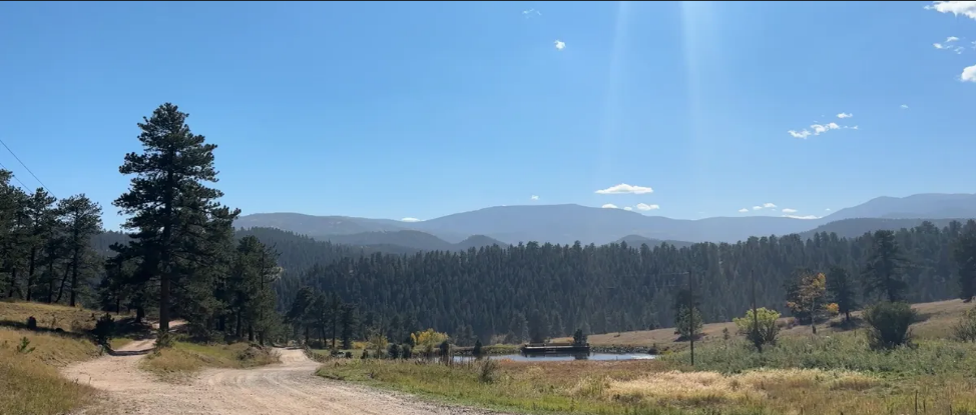
The field trips will include bus transportation and lunch. Field trip attendees MUST use the bus transportation provided.
Field Trip #1 Mountains (to be 2 separate bus tours)

This field trip features stops at a variety of OWTS systems being used in the mountain areas of Colorado. This field trip offers a tour of the onsite system at the iconic Red Rocks Park & Amphitheatre, with two additional stops further into the hills to review unique and innovative OWTS being used in cities and facilities across the Rocky Mountains. Presentations will cover the design factors and evaluations that went into system installation decisions, as well as information on how to service each type of system.
Participants on this field trip are advised to please wear comfortable walking shoes. This program involves a moderate level of activity. Participants should have the ability to climb stairs, stand for a period, and walk over uneven ground.
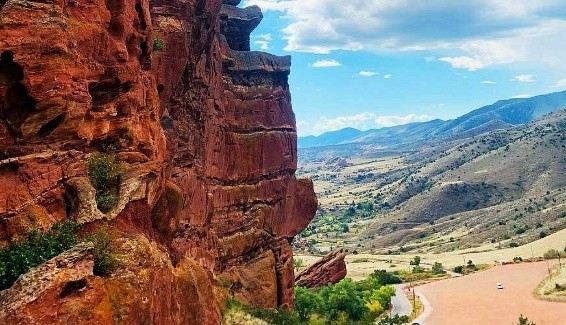
Stop 1: Red Rocks Park and Amphitheater
Red Rocks Park & Amphitheatre is one of the most iconic outdoor venues in Colorado, surrounded by beautiful scenery and geological wonders. Red Rocks Park & Amphitheatre sits 6,450 feet above sea level and is a unique transitional zone where the Great Plains meet the Rocky Mountains, allowing visitors the chance to see plants, birds and animals of both regions. Red Rocks Amphitheatre is also the only naturally-occurring, acoustically perfect amphitheatre in the world and opened in 1941 to welcome musical acts from across all genres and the world, which continues to this day.
Over the years, improvements to infrastructure have been necessary, including the need to design and build an ADA-compliant restroom for the Upper South parking lot. The tour will review this system, designed by Kate Carney, PE, with Church Onsite Wastewater Consultants and installed by Iconic Contracting. The system was designed for a total of 2000 GPD, and includes two 2500-gallon, traffic-rated septic tanks, a 2500-gallon traffic-rated equalization tank, a 1500-gallon, traffic-rated transfer tank, a 2500-gallon Mazzei Aerator tank, a 2500-gallon recirculation tank, an Orenco AX100 treatment unit, a 6-outlet automatic distribution valve and six beds with 4 rows of 9 traffic-rated H20 Quick4 Chambers for a total of 194 chambers equaling 3,637.5SF of infiltrative area.
Stop 2: AGS Tour at the Idaho Springs Water Reclamation Facility
Founded in 1859 after the discovery of gold, Idaho Springs is a popular mountain destination, home to a Gold Mine & Mill Museum, the Indian Hot Springs and geothermal caves, and an active water wheel visible from the passing highway. The Idaho Springs Water Resource Reclamation Facility recently underwent an $8.3 million expansion that increased facility volume from 0.6 million gallons per day (MGD) to 0.995 MGD. JVA Consulting Engineers provided a comprehensive facility expansion evaluation that assessed numerous wastewater treatment alternatives for their ability to meet increased flows, loads, and stringent nutrient limitations before settling on Activated Granular Sludge (AGS), which is a new process to the United State. The system upgrade consisted of two phases, with JVA working hand-in-hand with the City and manufacturers to obtain the necessary project and grant funding, and to complete the project within state permitting requirements
JVA Consulting Engineers provided a comprehensive facility expansion evaluation that assessed numerous wastewater treatment alternatives for their ability to meet increased flows, loads, and stringent nutrient limitations before deciding on the AquaNereda® aerobic granular sludge (AGS) process for secondary treatment and biological nutrient removal, followed by tertiary cloth-media filtration and UV disinfection. Unlike conventional activated sludge, the AGS process develops dense biological granules with aerobic, anoxic, and anaerobic zones that allow multiple treatment processes to occur within a single reactor. This allows the facility to achieve advanced treatment in a relatively compact footprint. Particularly noteworthy is the facility’s nutrient performance. Total inorganic nitrogen (TIN) is regularly below 2 mg/L, while total phosphorus is reliably below 1 mg/L and has achieved concentrations below 0.5 mg/L through biological treatment without chemical addition for nutrient removal. This tour will provide a unique opportunity to see advanced biological nutrient removal at a relatively small municipal scale and to hear firsthand how operational flexibility and process optimization have allowed the system to perform effectively at substantially less than its full design loading.
Stop 3: Orenco System Tour at The Fort Restaurant, Morrison, Colorado
System Tour - The Fort Restaurant was designed by architect William Lumpkins to resemble a drawing of Bent's Old Fort, a fur trading post on the Santa Fe Trail. 80,000 handmade mud and straw bricks were used in its construction. In February of 1963, The Fort opened with a restaurant on the lower level and the Arnold family living in the upper level. Today, it is on the National Register of Historic Places and holds several cultural and historical events throughout the year. Attendees will get to see the system serving this unique, historical location and learn about its design.
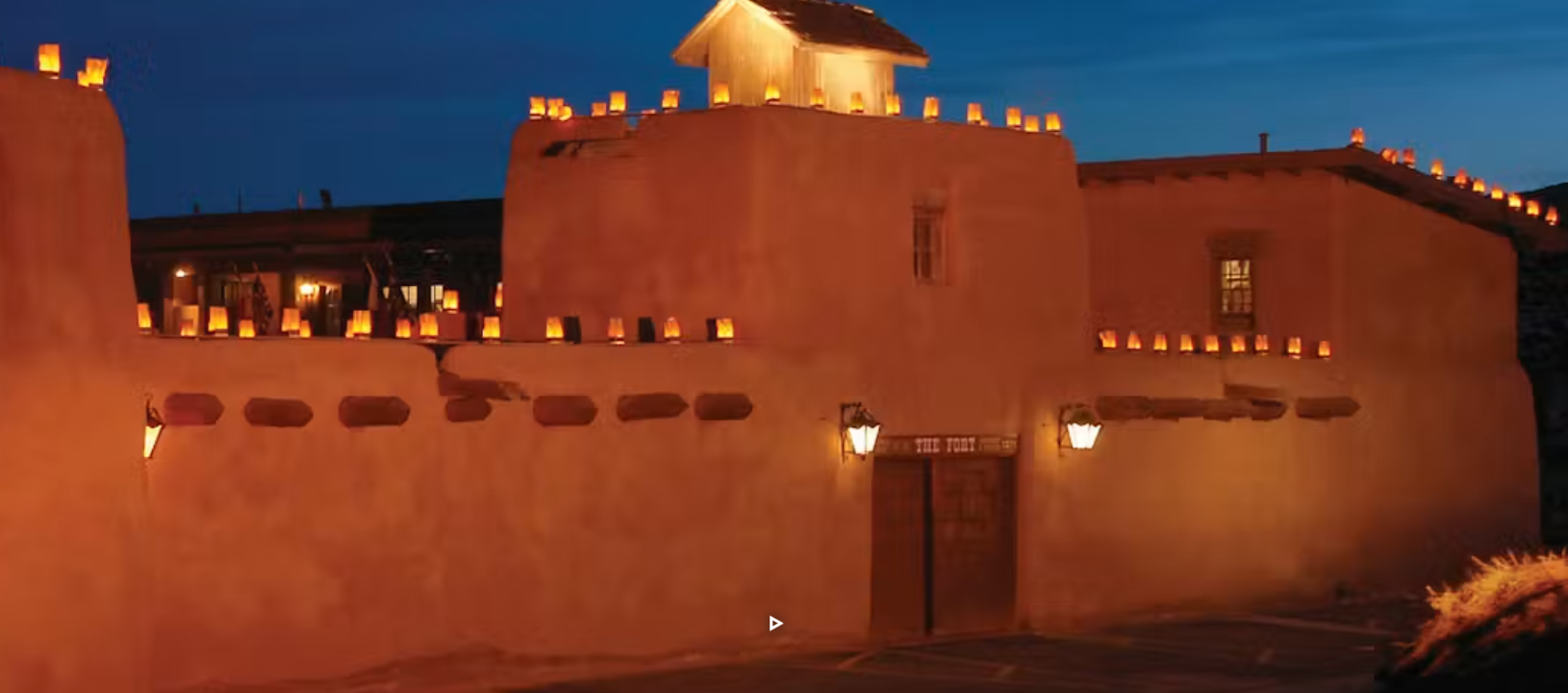
Following years of evaluation of treatment alternatives and regulatory coordination, a new onsite wastewater treatment system was installed in 2016. Alternatives considered included connection to nearby sewer systems, expanded subsurface dispersal, and advanced treatment with chemical phosphorus removal. Construction costs, rock excavation concerns, and the nutrient-management requirements associated with the Bear Creek Watershed complicated these options.
The Onsite Wastewater Treatment System includes grease interception, primary settling, pre-aeration to reduce the high organic loading, and an Orenco AdvanTex AXMAX-175-28 treatment unit followed by subsurface dispersal. A Mazzei aeration system provides pretreatment ahead of the AdvanTex unit.
Operational lessons included the effectiveness of the Mazzei aeration system and the importance of ongoing solids management. The Fort provides an opportunity to explore both the technical and practical aspects of treating restaurant wastewater onsite. Tour topics include high-strength waste pretreatment and grease management.
Return to Registration Page